Revolutionizing Supply Chain Efficiency: The Role of Digital Enhancement in Logistics Business
Understanding Digital Enhancement in Logistics
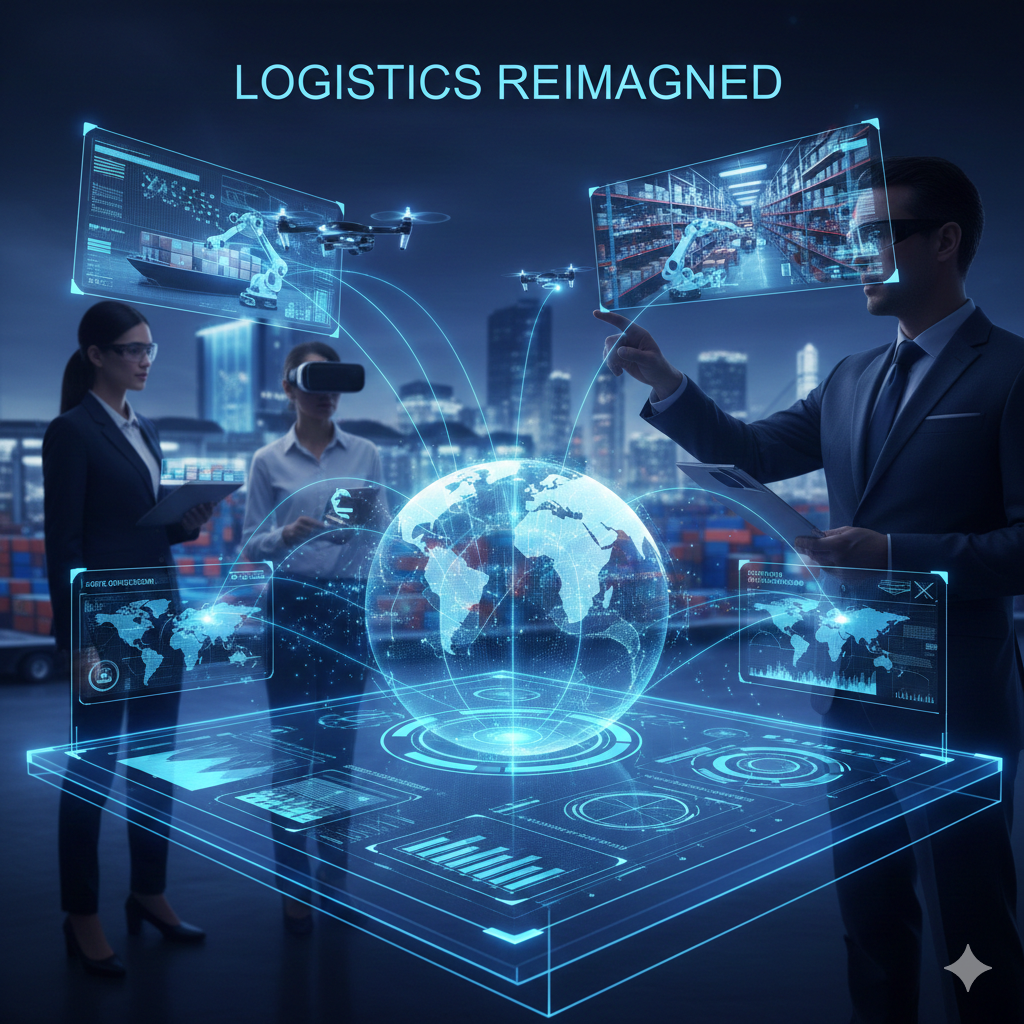
In today's fast-paced world, the logistics industry faces numerous challenges, including rising customer expectations and the need for operational efficiency. Digital enhancement in the logistics business is driving significant changes, utilizing technologies to create smarter, more responsive supply chains.
Key Technologies Driving Digital Enhancement
Several technologies are at the forefront of digital enhancement in logistics. Here are the key players:
Benefits of Digital Enhancement in Logistics
The integration of digital enhancement brings several critical benefits to the logistics business:
1. Enhanced Efficiency
Automation and AI streamline operations, reducing redundancy and improving productivity. Organizations can optimize their logistics processes, which positively impacts efficiency.
2. Improved Customer Experience
Real-time tracking and communication enhance transparency, leading to improved customer satisfaction. Customers are more informed about the status of their shipments, creating trust.
3. Reduced Costs
Digital tools allow for better route planning and inventory management, minimizing waste and reducing operational costs. Companies can allocate resources more effectively, resulting in lower expenses.
4. Greater Flexibility
Digital enhancement enables logistics companies to adapt quickly to market changes. This flexibility is crucial for meeting customer demands and maintaining a competitive edge.
Challenges in Implementing Digital Enhancement
Despite the numerous benefits of digital enhancement, logistics businesses often face challenges when implementing these technologies:
Successful Case Studies in Digital Enhancement
1. Amazon's Logistics Network
Amazon is a leader in using digital enhancement in logistics. Through advanced AI and machine learning algorithms, they optimize their supply chain, ensuring quick delivery times and high efficiency.
2. DHL's Digital Innovations
DHL has embraced IoT and blockchain to track shipments in real-time and ensure secure transactions. Their efforts have greatly enhanced customer service within their logistics operations.
The Future of Digital Enhancement in Logistics
As digital technologies continue to evolve, the logistics industry must embrace innovation to remain competitive. The incorporation of emerging trends such as augmented reality and 5G connectivity will further transform logistics processes, leading to even higher efficiency and customer satisfaction.
Conclusion
The digital enhancement logistics business model is reshaping the way companies operate. By adopting advanced technologies, logistics providers can improve efficiency, reduce costs, and ultimately elevate the customer experience. Embracing these changes is no longer optional but essential for success in today's competitive market. Investing in digital enhancement technologies will pave the way for future growth and resilience in the logistics sector.